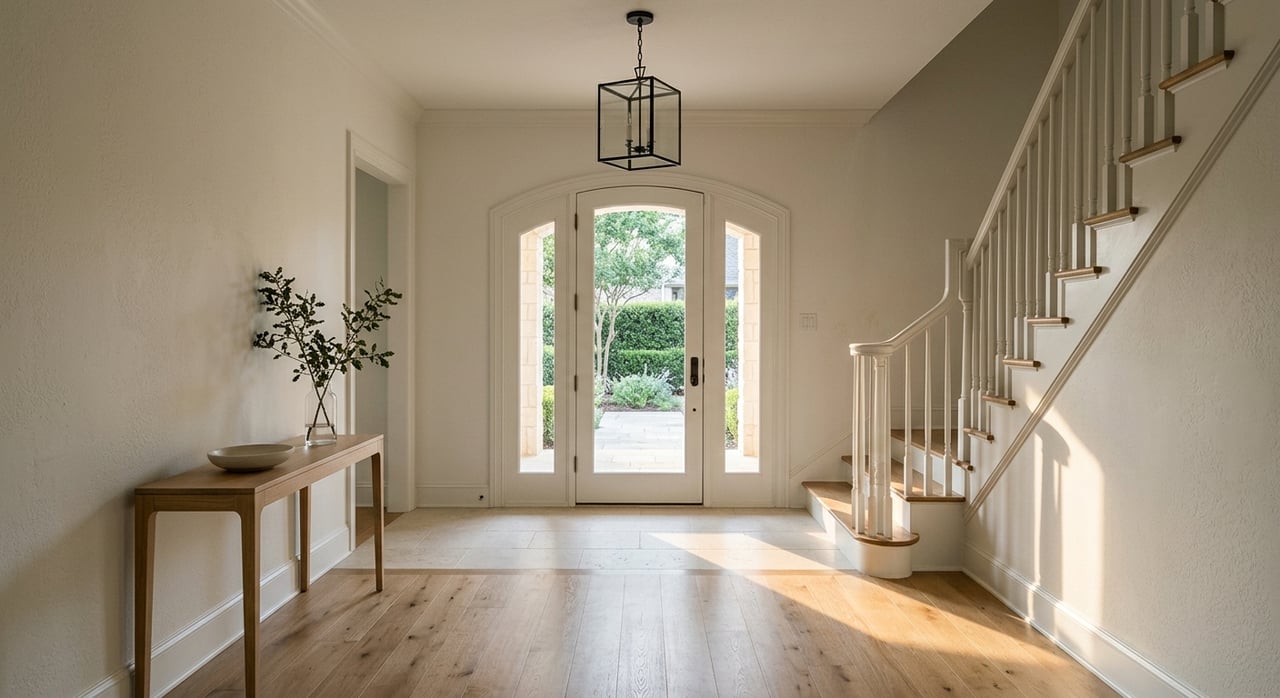
If you are thinking about selling in Northwest Hills, the biggest mistake is treating it like a one-day event. In reality, a smooth sale usually happens in phases, and each phase affects your final timeline, stress level, and negotiating position. When you know what happens before listing, during the first days on market, and after you accept an offer, you can plan with more confidence. Let’s dive in.
Why timing matters in Northwest Hills
Northwest Hills is part of Austin’s Northwest Hills planning area in Travis County. Because Austin does not use one single definitive neighborhood map, broader city, county, or ZIP-level market data is often the most practical way to set expectations.
As of May 2026, the City of Austin had 4.4 months of inventory and an average 95.2% close-to-list price. Travis County was at 4.8 months of inventory with a 94.8% close-to-list ratio. For you as a seller, that points to a market where thoughtful pricing and strong presentation matter, but where you usually do not need to rush to market without a plan.
Your Northwest Hills selling timeline
A practical selling timeline in Northwest Hills usually looks like this:
- Pre-listing prep: about 2 to 6 weeks for an occupied home
- First days on market: the first 1 to 3 weeks often set the tone
- Contract to close: about 30 to 60 days for a financed sale
That means many sellers should expect the full process to take several weeks before listing, plus another month or two after going under contract. If your home needs repairs, cleanout, or estate coordination, it can take longer.
Phase 1: Pre-listing prep
Start with pricing and market strategy
Before photos or showings, you need a clear pricing and launch plan. Seller guidance used in the research recommends reviewing market conditions first, then deciding how to position the home before it goes live.
This step matters because buyers compare your home against other available options right away. In a market with roughly four to five months of inventory, overpricing can cost you early momentum.
Plan for 2 to 6 weeks
For an occupied home, pre-listing prep often takes about 2 to 6 weeks. That estimate can stretch if the property needs repairs, cosmetic updates, decluttering, or coordination with family members.
If you are selling after a major life change, this phase may take longer than expected. Estate sales, retirement moves, and relocations often involve more decision-making before the home is truly ready.
Tackle repairs, maintenance, and presentation
This is the stage for maintenance, cosmetic improvements, and getting the home ready to show well. Common tasks include decluttering, cleaning, minor repairs, and staging.
In Northwest Hills, presentation can make a real difference because buyers are often comparing condition, layout, and updates across several homes. A polished launch helps you compete more effectively from day one.
Gather your paperwork early
One of the smartest ways to avoid delays is to collect documents before you list. For Texas residential sales, the seller’s disclosure notice is a core document for most one-dwelling-unit residential sales.
The disclosure is based on your knowledge of the property’s condition. It is not a substitute for inspections or warranties, so accuracy and completeness matter.
You should also gather supporting records such as:
- Permits
- Receipts for major repairs
- Contractor invoices
- Warranty information
- HOA documents, if applicable
- Notes about drainage or water intrusion
- Records of structural work or major system replacements
The Texas disclosure form asks about prior repairs, drainage, flooding or water intrusion, HOA fees or assessments, and other material conditions. Missing records can slow things down later, especially once a buyer starts asking questions.
Know if lead-based paint rules apply
If your home was built before 1978, there is another document step to plan for. Federal law requires lead-based paint disclosure and delivery of the EPA lead pamphlet before the sale.
In older Austin areas, this can be an extra item that needs attention before your listing package is complete. It is simple to handle when addressed early, but easy to overlook if you are rushing.
Phase 2: Listing launch and showings
Treat launch week like a major window
Once your home hits the market, the early showing period matters. In Northwest Hills, the first 1 to 3 weeks are often the key momentum window for a well-priced home.
This is not a hard rule, but it is a useful planning guide based on current Austin-area inventory levels and seller guidance. If a home launches with the right price and strong presentation, those first days can tell you a lot about buyer response.
Be ready for active showing traffic
After launch, you should expect a period of frequent activity. Seller guidance notes that buyers may request tours with little notice, so keeping the home show-ready helps you stay flexible.
That usually means keeping surfaces clear, staying on top of basic cleaning, and having a plan for pets, kids, or work-from-home routines. A smooth showing experience can help buyers focus on the home instead of distractions.
Watch the market response closely
The first couple of weeks often reveal whether your strategy is working. If showings are light or feedback points to price or condition concerns, it may be time to adjust.
That could mean a pricing change, improved presentation, or another strategy shift. Waiting too long to respond can make a listing feel stale, even in a balanced market.
Phase 3: From contract to closing
Expect 30 to 60 days for financed sales
Once you accept an offer, the sale is not done yet. For a financed Texas transaction, contract to closing usually takes about 30 to 60 days.
This period often includes the option period, title work, appraisal, buyer financing steps, and the final walkthrough. Each piece has its own deadline, so staying organized matters.
Understand the option period
In Texas, option periods are negotiated. A typical range is 7 to 10 days.
During that time, the buyer may complete inspections and evaluate the property more closely. This is often when repair requests or further questions about the disclosure come up.
Title work starts early
Under the Texas resale contract, the title company must provide the buyer with a title commitment within 20 days after receiving the contract. That title review can uncover issues that need to be resolved before closing.
If there is a title problem, the timeline may need to extend. This is one reason early paperwork and clean records are so helpful.
Plan for appraisal and lender timing
If the buyer is using financing, the lender’s process can shape the closing date. The appraisal and final loan approval often become major checkpoints during this phase.
If the appraisal comes in lower than expected, or if the lender needs extra documentation, the transaction may slow down. These issues do not always derail a sale, but they can affect timing and negotiations.
Final walkthrough happens near closing
The buyer’s final walkthrough usually happens 1 to 2 days before closing. This is when the buyer confirms the home is in the expected condition and that any agreed repairs are complete.
A clean, orderly property makes this final step easier. It also helps reduce the chance of last-minute tension before signing.
Closing disclosure timing matters
The buyer must receive the Closing Disclosure at least 3 business days before closing. That timing requirement means the lender and title company need enough lead time to finalize the file.
If numbers or documents come together late, the closing date can slide. Even when the rest of the transaction feels on track, final paperwork still matters.
Special timelines for estate sales
Executor authority can affect the schedule
If you are selling a Northwest Hills home as part of an estate, the first question is often legal authority, not marketing. In Texas, an independent executor generally has broad power of sale after qualification, and Travis County probate guidance notes that independent executors can often sell real estate without court approval.
A dependent administration may involve additional court steps. That can add time before the home is ready to list or close.
Documentation helps estate sales move faster
For estate properties, records are especially helpful. Permits, invoices, warranties, and notes about past repairs can make the disclosure process more accurate and reduce last-minute objections.
If multiple family members are involved, gathering these materials early can also make decision-making smoother. It creates a clearer path from consultation to closing.
A simple week-by-week example
Here is a practical way to picture the timeline:
| Phase | Estimated timing | What happens |
|---|---|---|
| Planning and prep | 2 to 6 weeks | Pricing, repairs, decluttering, staging, disclosures, document gathering |
| Launch and showings | 1 to 3 weeks | Listing goes live, showings begin, feedback comes in, strategy is tested |
| Under contract | 30 to 60 days | Option period, inspections, title work, appraisal, financing, final walkthrough, closing |
Every sale is different, but this outline gives you a realistic starting point. The biggest variables are usually condition, disclosure readiness, pricing, and any probate or title complications.
How to stay ahead of delays
You cannot control every part of a sale, but you can reduce friction by preparing early. The most helpful steps are usually simple and practical.
Focus on these first:
- Complete repairs before listing when possible
- Gather disclosure details early
- Keep records for past work organized
- Prepare for flexible showing access
- Respond quickly to inspection or title questions
- Build extra time into your moving plan
If your sale involves an estate, relocation, or a long-time family home, extra planning can be even more valuable. Those transactions often benefit from steady communication and hands-on coordination.
Selling in Northwest Hills is usually best approached as a phased project, not a single listing date on the calendar. When you prepare carefully, launch with intention, and stay organized through contract and closing, you put yourself in a stronger position for a smoother sale. If you want local guidance, staging coordination, and a clear plan tailored to your timeline, Roxanne Escobedo can help you move forward with confidence.
FAQs
How long does it usually take to sell a home in Northwest Hills?
- A practical timeline is often 2 to 6 weeks for pre-listing prep, 1 to 3 key weeks on market, and about 30 to 60 days from contract to closing for a financed sale.
What documents do sellers need before listing a home in Northwest Hills, Texas?
- Many sellers should prepare the Texas seller’s disclosure notice, repair records, permits, contractor invoices, warranty papers, HOA documents if applicable, and notes about drainage, water intrusion, or major system replacements.
What happens after accepting an offer on a Northwest Hills home?
- After contract acceptance, the transaction often moves through the option period, inspections, title work, appraisal, financing steps, final walkthrough, and closing.
How long is the option period in a Texas home sale?
- Texas option periods are negotiated, but a typical range is 7 to 10 days.
Do estate sales in Northwest Hills take longer to sell?
- They can, especially if executor authority or probate steps need to be clarified before listing or closing.