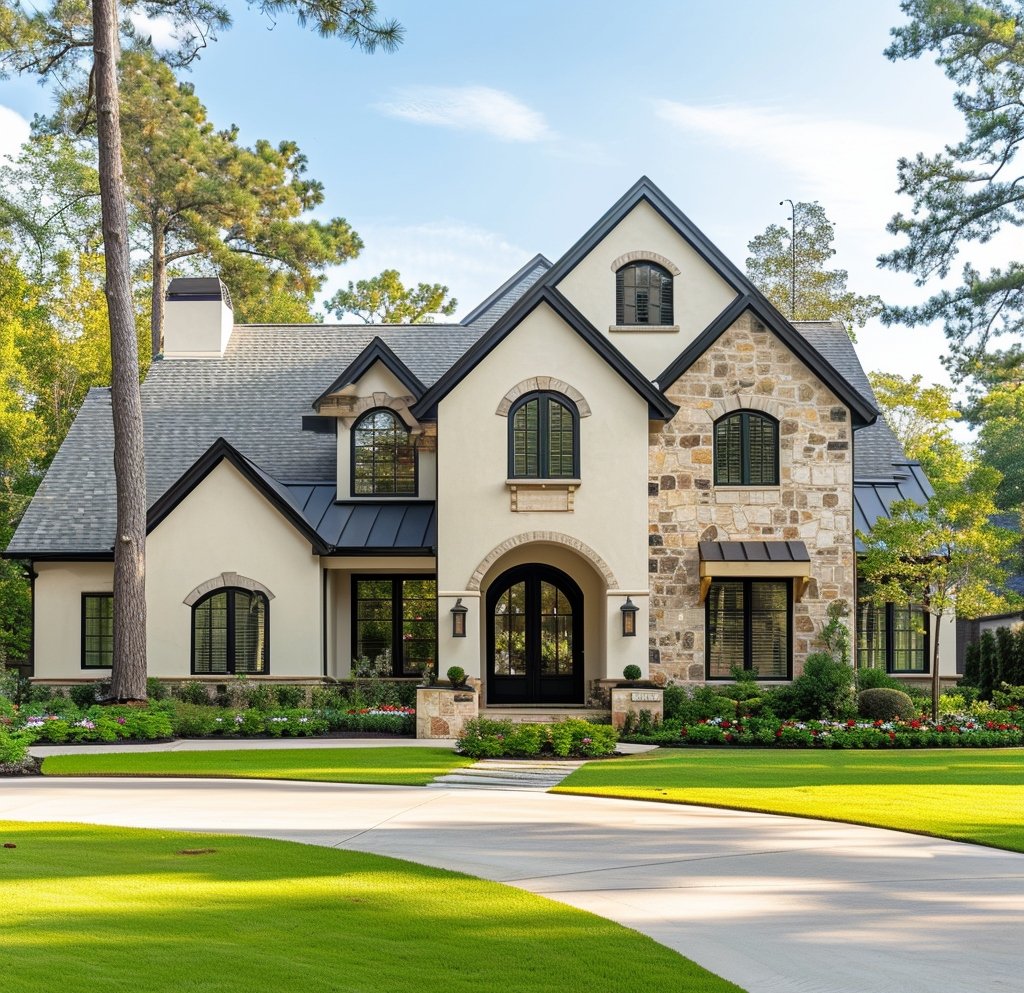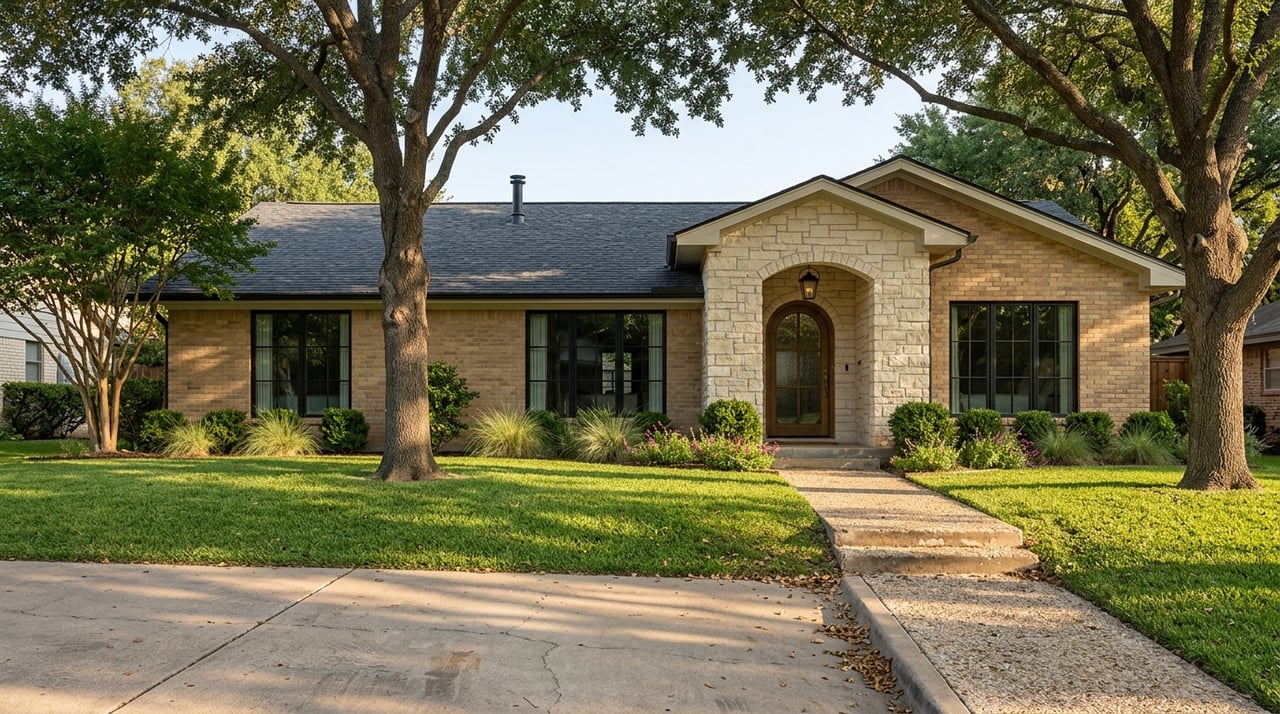
If you have ever driven through Northwest Hills and wondered why one street can show a low-slung ranch, a glassier mid-century home, and a newer custom build all within a few blocks, you are not imagining things. This neighborhood did not appear all at once, and that layered look is a big part of its identity. When you understand how Northwest Hills developed, you can read its homes like a visual timeline of Austin’s growth. Let’s dive in.
Northwest Hills reflects Austin’s expansion
Northwest Hills tells a story that is bigger than any one house. Local neighborhood history materials describe the area as largely open land before 1950, with initial subdivisions appearing from 1950 to 1957 and the last subdivision not completed until the 1980s. That long build-out helps explain why the neighborhood has such a mixed housing stock instead of a single, uniform style.
That timeline also lines up with Austin’s larger postwar boom. According to the Austin History Center, the city’s population grew from 87,900 in 1940 to 214,117 by 1965. As Austin expanded, new building methods, open floor plans, and larger window walls became more common, and Northwest Hills emerged right in the middle of that shift.
Postwar homes shape the neighborhood
The clearest architectural thread in Northwest Hills is postwar design. Many of the homes that give the area its character were built during the 1950s and 1960s, when Ranch and Modern Ranch homes were common in Austin-area suburban growth. That is why so many houses here feel grounded, wide, and connected to their lots.
If you are browsing homes in Northwest Hills, this is one of the first things you will likely notice. The neighborhood does not feel dominated by tall, repeated models. Instead, much of its original housing reads as low, horizontal, and practical in a way that reflects the era when Austin was growing outward.
Ranch homes set the baseline
County and city historic surveys describe Ranch houses as having low, horizontal massing, broad eaves, attached garages, and an emphasis on picture windows. Exterior materials often included brick or stone, which still feels very at home in Austin today. In Northwest Hills, these features create the visual foundation for many streets.
This style makes sense in the context of the neighborhood’s growth. As subdivisions spread during the postwar years, Ranch homes offered a design that fit larger suburban lots and a more car-oriented lifestyle. In Northwest Hills, they still help define the neighborhood’s original look.
Mid-century modern adds lighter lines
Not every older home in Northwest Hills is a traditional ranch. Austin’s mid-century modern residential design often included open plans, large window walls, single-slope roofs, clerestory and jalousie windows, sliding glass panels, exposed beams, and natural materials. These homes tend to feel lighter and more connected to the outdoors.
That contrast matters when you walk or drive the neighborhood. Ranch homes give Northwest Hills its strong horizontal base, while mid-century modern homes add cleaner lines and a stronger indoor-outdoor feel. Together, they create a varied but still coherent architectural character.
Later styles added new layers
Northwest Hills did not stop evolving after its earliest homes were built. Austin survey materials show that by the 1960s and 1970s, builders were producing styled ranch homes that blended ranch forms with decorative influences such as Colonial Revival, Tudor Revival, Spanish Colonial Revival, Contemporary, and Neoclassical details. In Northwest Hills, those later homes feel like a second layer rather than a separate neighborhood identity.
This is one reason the area feels visually interesting instead of repetitive. As tastes changed, new homes reflected those shifts without erasing what came before. The result is a neighborhood where different decades still speak to each other.
A simple timeline of home styles
Here is the easiest way to think about Northwest Hills housing:
- 1950s to early 1960s: low-slung ranch, minimal ranch, and early mid-century modern homes
- 1960s to 1970s: styled ranches and transitional traditional homes with more decorative variation
- 1980s to present: infill, remodels, and replacement homes layered onto the earlier housing stock
For buyers and sellers, that timeline is helpful because it explains why neighboring homes can look quite different. In Northwest Hills, variety is part of the neighborhood story.
Terrain shapes the architecture too
Home styles tell only part of the story. The land itself also plays a major role in how Northwest Hills looks and feels. Allen Park, which sits within Northwest Hills, is located on a limestone plateau with juniper and oak woodland and panoramic city views.
That setting helps explain why homes here often feel responsive to the site. The neighborhood is less about flat, uniform yards and more about working with slope, trees, views, and outdoor living. Even when homes come from different decades, the terrain gives the area a sense of continuity.
Trees, slopes, and views matter
Local neighborhood history also describes Northwest Hills as a greenbelt neighborhood with a long tradition of tree and environmental stewardship. That makes the landscape more than just a backdrop. In practical terms, the canopy and topography are part of what gives the neighborhood its lasting identity.
If you are considering a move here, it helps to look beyond square footage alone. The way a home sits on the lot, relates to mature trees, or takes advantage of elevation can be just as important as the style itself.
What you’ll notice on a typical street
One of the best ways to understand Northwest Hills is to think of it as a chronological mix instead of a single-style subdivision. You might see an original ranch next to a remodeled mid-century house, followed by a newer custom home on the same street. That combination is not a mismatch. It is evidence of how the neighborhood matured over time.
This also helps answer a common buyer question: why do some homes look much newer than others? Because Northwest Hills was built in phases over decades, there was room for later remodeling, infill, and replacement homes. As buildable land became more limited, newer homes were layered into an already established setting.
Common visual themes
Even with all that variation, several features tend to show up again and again:
- Low horizontal forms
- Mature landscaping and established tree canopy
- A mix of original and updated facades
- Homes that respond to hills, views, and lot shape
- Materials such as brick, stone, and natural finishes
These repeating elements help the neighborhood feel connected even when houses come from different eras.
Why this matters if you’re buying or selling
Understanding Northwest Hills home styles can help you make better sense of the market. As a buyer, you can narrow in on what fits your goals, whether that is an original ranch with character, a mid-century home with architectural detail, or a more recently updated property. You can also better evaluate how a specific home fits into the neighborhood’s broader pattern.
As a seller, this context can shape how your home is positioned. A house in Northwest Hills is not just about bedrooms and bathrooms. Its architectural era, lot relationship, updates, and place within the neighborhood’s long development story can all affect how buyers see it.
For anyone navigating a move, especially a relocation, retirement transition, or estate sale, that kind of neighborhood context can make the process feel clearer. When you understand what buyers are noticing on the street and why the housing mix looks the way it does, decisions become easier and more grounded.
If you want help understanding how a specific Northwest Hills home fits into today’s market, Roxanne Escobedo offers thoughtful, hands-on guidance backed by deep Austin-area knowledge and clear communication.
FAQs
Why are there so many ranch houses in Northwest Hills?
- Northwest Hills’ main build-out lined up with Austin’s postwar growth, when Ranch and Modern Ranch homes were widely built across the area.
Why do some Northwest Hills homes look much newer?
- The neighborhood developed in phases from the 1950s into the 1980s, which allowed for later remodels, infill, and replacement homes over time.
What architectural styles are common in Northwest Hills?
- You will commonly see ranch, minimal ranch, mid-century modern, and later styled ranch or transitional traditional homes.
How does the terrain affect Northwest Hills homes?
- The area’s limestone plateau, slopes, mature trees, and views help shape how homes sit on their lots and how they relate to outdoor space.
What should buyers expect when touring Northwest Hills homes?
- You should expect a mix of eras, low horizontal forms, mature landscaping, and homes that respond to hills and views rather than a flat suburban grid.