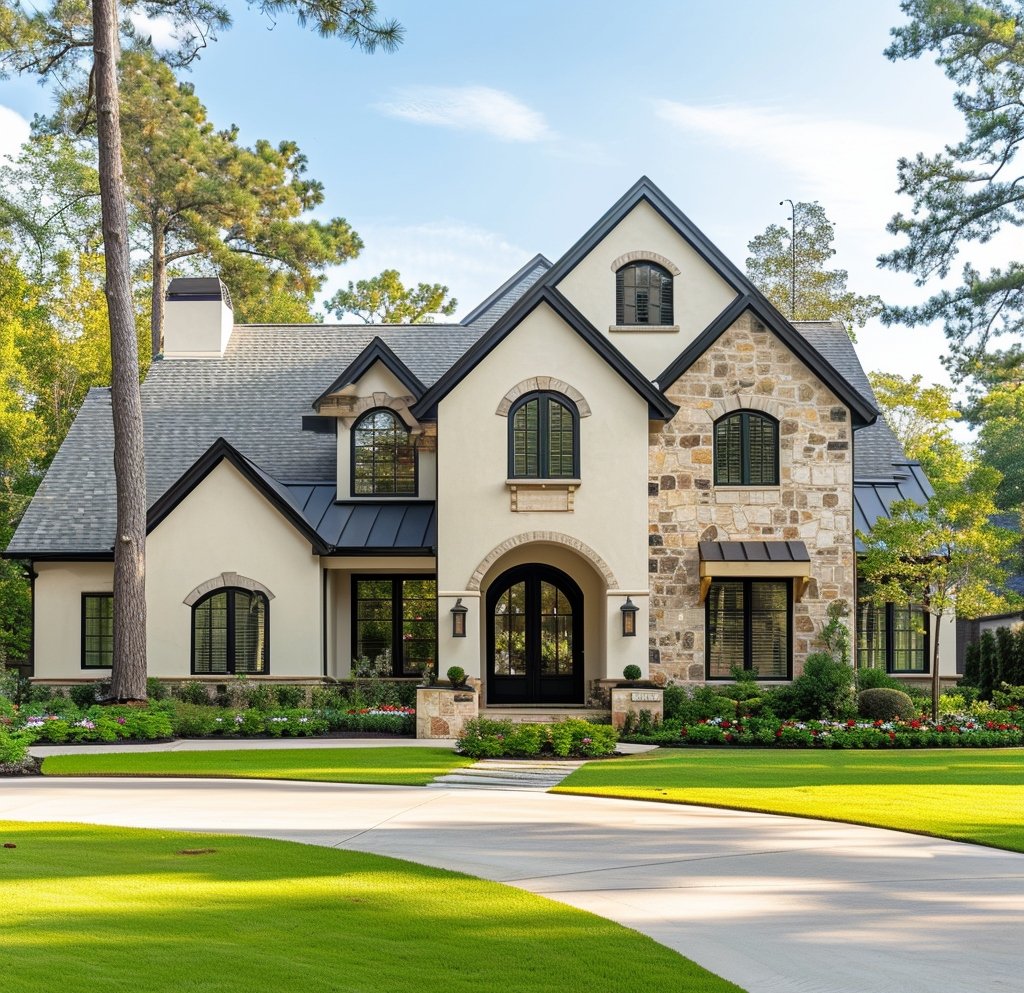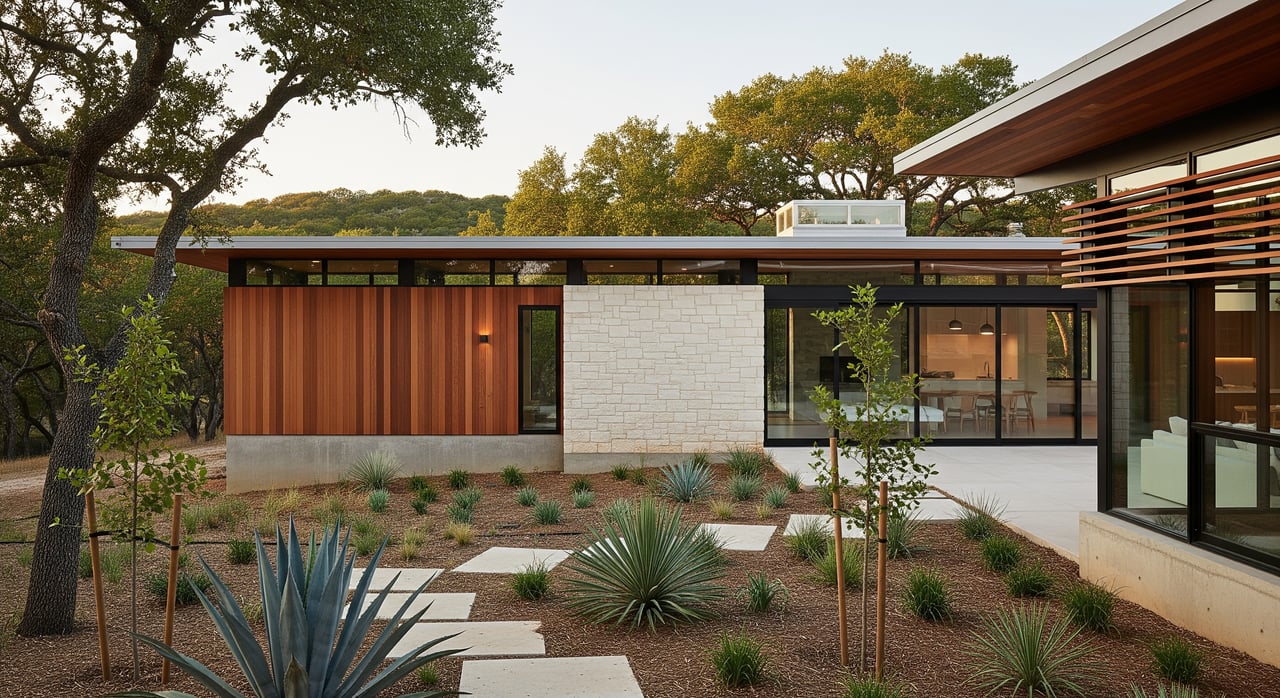
Thinking about updating a Northwest Hills mid-century home but unsure where to start? You are not alone. These Austin classics offer character, views, and great bones, yet they come with hillside quirks, aging systems, and unique design details. In this guide, you will learn what to prioritize, how to plan for slopes and drainage, smart window strategies, ballpark costs, and whether a remodel or turnkey purchase fits your timeline and budget. Let’s dive in.
Northwest Hills mid-century basics
Northwest Hills includes many homes from the 1950s to 1970s. You will see ranch and split-level plans, low-sloped roofs, broad horizontal lines, and large picture windows. Common materials include brick veneer, native limestone accents, wood siding, and exposed rafters.
Inside, many floor plans have smaller enclosed kitchens, modest baths, and separated living and bedroom zones. Garages and carports vary, and some homes adapt to sloped lots with split entries or partial lower levels. These features are part of the charm, and they shape how you remodel.
What this means for your remodel
- Opening the plan is popular, but verify which walls are load bearing and how ducts, plumbing, and wiring will reroute.
- Original systems may be at the end of their life. Cosmetic changes alone can miss issues buyers notice at inspection.
- Preserve defining elements like clerestory windows and picture walls while improving comfort and efficiency.
Hillside and structural issues
Northwest Hills sits near the Balcones Escarpment, where bedrock, shallow soils, and pockets of expansive clay are common. These conditions affect foundations, drainage, and excavation costs.
Soils and foundations
On sloped lots you may find slab-on-grade with steps, pier-and-beam sections, or partial basement-style garage areas. If you plan additions or major foundation work, consult a local structural or geotechnical expert. Bedrock can complicate excavation, and expansive clays can cause differential movement if drainage is not managed.
Drainage and retaining walls
Water is the big risk on hillsides. Concentrated surface flow against a foundation or slope can cause movement and erosion. Typical fixes include regrading for positive drainage, adding French drains or subsurface drains, and restoring downspout extensions.
Retaining walls over certain heights usually need engineered design and permits. Poorly built walls can fail and worsen slope issues, so plan for design, permitting, and proper drainage behind the wall.
Masonry and moisture details
Brick and stone veneers are common in Northwest Hills. Many older homes lack modern through-wall flashing and weeps, which help vent and drain moisture. If you replace windows or adjust openings, coordinate new flashing at heads and sills, tie-ins to weather barriers, and proper cap flashing at roof transitions to avoid leaks and rot.
Trees and permitting essentials
Mature oaks and cedar elms are a neighborhood hallmark. Tree protection rules apply to larger trees and their root zones. Plan any driveway, addition, or grading changes with tree protection in mind. In Austin, structural changes, foundation repairs, significant additions, many window changes, and all electrical, plumbing, and HVAC work generally require permits and inspections. Confirm triggers with the City before you begin.
Pre-construction checklist
- Get a current site topography and tree survey.
- Commission structural and, if needed, geotechnical evaluations for slope or foundation changes.
- Map utilities and easements.
- Confirm permit requirements and build erosion and tree protection into your plan.
- Stage construction access and parking for narrow, hilly streets.
Daylight, windows, and energy
The daylighting in mid-century homes is part of their soul. Picture windows, clerestories, and sliders connect you to the outdoors. The goal is to keep that feeling while improving comfort and energy performance.
Orientation and shading strategy
Austin summers are hot, with strong west and east sun. South-facing glass can work well if you add adjustable shade. Consider deeper roof overhangs, trellises, and exterior shading to reduce heat gain. High, shaded clerestories bring soft light without harsh glare.
Replacing windows without losing character
Energy-efficient windows improve comfort, reduce drafts, and lower cooling loads. Choose glazing based on orientation, aiming for lower solar heat gain on west and east exposures and a balanced approach on the south side. Keep mid-century proportions by matching sightlines and mullion patterns where possible. Combine window upgrades with insulation improvements and an HVAC sizing review so the whole system works together.
Open layouts and glass walls
Opening the kitchen to living areas increases natural light and perceived space. If you add or enlarge glass areas, plan shading and glass performance to keep cooling loads in check. Even small tweaks, like operable windows placed for cross-ventilation, can make a big difference.
Updates buyers value most
Buyers in Northwest Hills often pay a premium for modern function paired with authentic character. The following priorities tend to drive interest and reduce inspection hurdles.
Kitchens that sell
A well-lit, open kitchen with durable cabinetry, a functional island, updated appliances, and organized storage rises to the top of the list. If the plan allows, create sightlines to living and outdoor spaces to amplify the feeling of openness.
Primary and hall bath upgrades
Contemporary fixtures, walk-in showers, double vanities where space allows, good ventilation, and quality waterproofing deliver daily comfort and buyer confidence. Focus on durable tile and timeless finishes.
Systems that reduce surprises
Updating electrical capacity for modern loads, right-sizing HVAC, and addressing older plumbing removes common deal-killers. Window upgrades also improve comfort and acoustics while preserving style.
Austin-area cost context
Every site and finish level is different, especially on hillsides. Here are broad ranges seen locally:
- Minor kitchen refresh: about $20k to $60k.
- Major kitchen remodel with layout changes: about $60k to $200k+.
- Bathroom remodel: about $15k to $60k per bath.
- Window replacement: about $600 to $1,500+ per window, with custom picture walls costing more.
- Foundation or hillside remediation: varies widely. Small stabilization may land in the mid to high five figures, while major engineered work can reach six figures.
Modest, well-executed projects often recoup a stronger percentage than luxury overhauls, but exact returns depend on market timing and scope.
Smart ways to finance
You have several options to fund improvements:
- Cash or pay-as-you-go.
- Home equity lines or home equity loans.
- Renovation mortgages, such as FHA 203(k) and Fannie Mae HomeStyle, which let you roll renovations into the purchase.
- Select contractor or manufacturer financing programs.
Compare rates, fees, and draw schedules, and align your financing timeline with the permitting and procurement schedule.
Remodel vs turnkey: choose your path
Both routes can work in Northwest Hills. The right choice depends on your goals, time, and comfort with construction.
When a remodel makes sense
- You want features and finishes not found in current listings.
- You can handle some disruption to create a customized home.
- The purchase price reflects needed updates, creating room for equity.
When turnkey is the better fit
- Time is tight and you prefer certainty over customization.
- You want to avoid coordinating permits, trades, and inspections.
- Comparable finished homes meet your needs at market prices.
Run the numbers
Compare the total cost of ownership: purchase price plus renovations, permits, carrying costs, and contingencies. Stack that against turnkey options in the neighborhood. A clear side-by-side makes the decision easier.
Why vendor coordination matters
Hillside work, tree protections, and Austin permitting add moving parts. A capable general contractor or design-build team can save you time, help you avoid rework, and streamline inspections.
Benefits of experienced pros
- Single point of contact to manage trades, sequencing, and scheduling.
- Permitting support and inspection readiness.
- Consolidated warranties and clear change-order control.
- Procurement leverage and long-lead forecasting for windows, appliances, and specialty items.
- Risk management for retaining walls, drainage, and tree protection.
Tips for Northwest Hills projects
- Engage an architect or experienced designer before moving load-bearing walls or changing rooflines.
- Verify contractor experience with sloped sites, erosion control, and tree protection.
- Plan site access and neighbor-friendly staging for narrow streets.
- Build a contingency of 10 to 20 percent, with more if you expect foundation or hillside work.
Your next steps
- Schedule a thorough pre-purchase or pre-remodel inspection that covers foundation, roof, systems, and drainage.
- If structural changes are likely, secure a local structural engineer and, for major grade work, a geotechnical report.
- Gather two to three detailed contractor bids that break out site work, structure, windows, kitchen, and baths.
- Confirm City of Austin permit triggers and any neighborhood or deed restrictions.
- Compare the full “purchase plus renovation” path to turnkey options, including financing and timeline.
- Identify long-lead items early and place orders after permit approvals.
You do not have to navigate all of this on your own. If you want a trusted local advocate who can coordinate vendors, stage for resale, and keep you informed at every step, connect with Roxanne Escobedo for a confidential consultation.
FAQs
What are the most valuable updates for a Northwest Hills mid-century?
- Focus on an open, functional kitchen, updated primary and hall baths, energy-efficient windows, and modernized electrical, HVAC, and plumbing.
Do I need a permit to replace or enlarge windows in Austin?
- Many exterior window changes and structural modifications require permits and inspections; verify requirements with the City before ordering materials.
How do I handle drainage on a sloped Northwest Hills lot?
- Regrade for positive drainage, add French or subsurface drains as needed, and design retaining walls with proper drainage and engineering where required.
What window choices fit Austin’s climate and mid-century style?
- Use high-performance glazing with lower solar heat gain on west and east, preserve sightlines and proportions, and consider clerestories for soft daylight.
How much should I budget for a kitchen remodel in this area?
- Local ranges often run about $60k to $200k+ for major kitchen projects with layout changes, depending on structure, finishes, and site access.
When is a turnkey home the better choice in Northwest Hills?
- Choose turnkey if you have tight timelines, prefer certainty, or find listings that already meet your needs at fair market pricing.
What professionals should I hire before removing walls?
- Start with an architect or experienced designer and a structural engineer to confirm load paths and plan safe rerouting for ducts, plumbing, and wiring.