Buying your first home in South Austin can feel exciting and overwhelming at the same time. You may love the idea of being closer to central Austin, but you also need to make the numbers, commute, and home condition work for your real life. This guide will help you understand how South Austin works for first-time buyers, what homes tend to look like, what costs to expect, and what to check before you make an offer. Let’s dive in.
South Austin Is Not One Market
One of the biggest mistakes first-time buyers make is treating South Austin like a single neighborhood. In reality, the area works more like a collection of micro-markets, each with its own price points, lot sizes, housing styles, and transportation patterns.
The City of Austin’s adopted planning materials highlight distinct areas such as South Austin Combined and South Congress Combined, with a strong focus on walkability, transportation access, and neighborhood character. That matters because your best fit may come down to a specific pocket of South Austin, not just the general area. You can explore the city’s planning resources through the Austin neighborhood plans and resources page.
Compare Pockets, Not Just ZIP Codes
As a first-time buyer, it helps to ask a more useful question than “Should I buy in South Austin?” A better question is: Which part of South Austin best matches your budget, commute, and preferred home type?
Some pockets may feel more compact and central, while others may offer a little more breathing room or a different mix of condos, townhomes, and detached homes. The right choice often depends on how you balance monthly payment, upkeep, parking, and travel time.
What Starter Homes Look Like
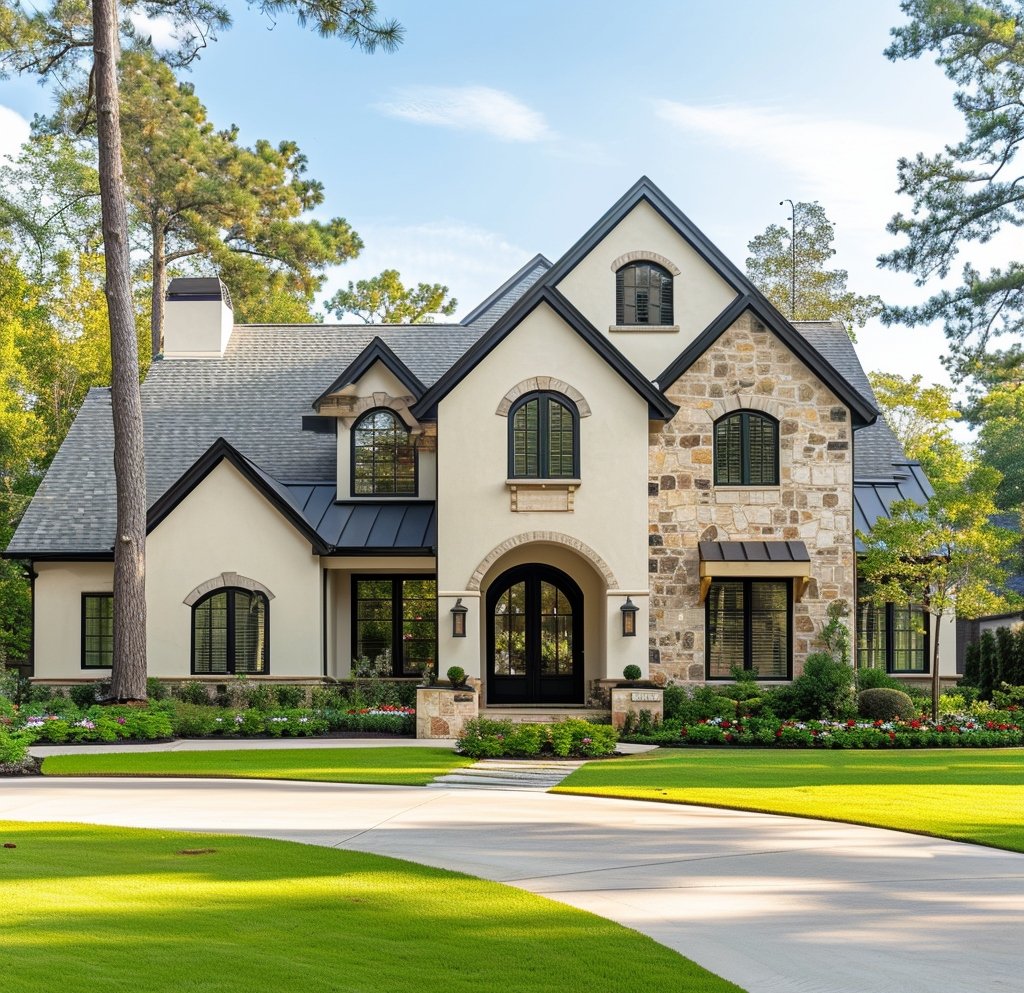
South Austin offers more variety than many buyers expect. Depending on the pocket, you may see older detached homes, smaller bungalows, condos, or newer townhomes all competing in the same search.
City materials describe areas like Bouldin Creek as having modest cottages and bungalows, while Travis Heights is described as a historically middle-class bungalow community. That older housing mix helps explain why many first-time buyers in South Austin come across smaller homes with more traditional layouts instead of only newer large-scale construction.
Expect a Wide Range of Options
Current examples in the research show just how broad the range can be. One listing in 78745 is a 1970-built single-family home with 3 bedrooms, 1 bath, and about 1,088 square feet. Another in 78704 is a 2016-built condo with 3 bedrooms, 2 baths, and about 1,809 square feet.
There are also townhome-style options in South Austin. The city-backed Industry SOMA community includes modern 3-bedroom townhomes priced from $240,000 to $320,000, with fenced backyards, parking at each home, and expandable floor plans. Those examples show why the term “starter home” can mean very different things depending on where you look.
Think Beyond Bedroom Count
When you compare homes, focus on more than price and bedroom count. In South Austin, two homes with similar asking prices can offer very different lifestyles.
Pay close attention to:
- Parking setup
- Yard size
- HOA structure
- Exterior maintenance responsibilities
- Age of major systems
- Layout and usable space
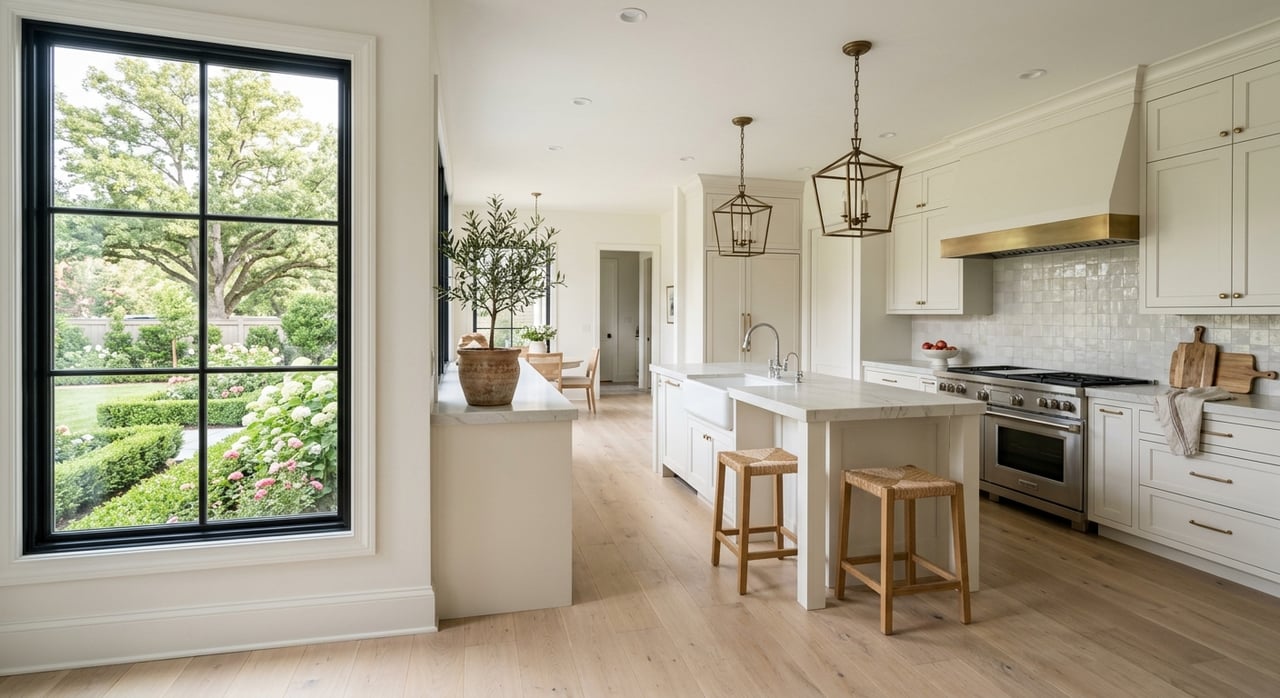
A compact detached home may give you more privacy and yard space, while a condo or townhome may offer a newer build and lower exterior upkeep. The trade-off is often less flexibility around monthly dues, parking, or shared maintenance rules.
Current Costs and Budget Reality
Price is only one part of affordability. You also need to know what the broader market is doing and what cash you may need to close.
According to the February 2026 Central Texas housing report from Unlock MLS, the City of Austin median residential home price was $540,000, with 6.2 months of inventory, 923 pending sales, and an average close-to-list ratio of 92.1%. That suggests buyers are seeing more breathing room than during the most competitive years, but demand is still active.
South Austin Versus Farther-Out Areas
For many first-time buyers, the real decision is not just whether to buy now. It is whether to buy closer in or trade location for a lower price point farther out.
The same market report shows lower county-level median prices in nearby areas, including Hays County at $355,000, Bastrop County at $335,000, and Caldwell County at $221,990. That helps explain why some buyers choose a more central South Austin location for access and convenience, while others decide more space or a lower purchase price matters more.
Don’t Forget Closing Costs
A home can look affordable based on the monthly payment and still require more upfront cash than expected. The Consumer Financial Protection Bureau says closing costs typically run 2% to 5% of the home price, before your down payment.
For first-time buyers, that means your budget should include more than the list price. You will want to plan for:
- Down payment
- Closing costs
- Property taxes
- Homeowners insurance
- Possible HOA dues
- Inspection-related expenses
Inspection Checks That Matter Most
Once you find a home you like, timing matters. The CFPB recommends scheduling your inspection as soon as possible after choosing a home so you have time to evaluate issues and decide how to move forward.
If your contract includes an inspection contingency, the CFPB inspection guidance notes that you may be able to cancel without penalty if the inspection is unsatisfactory. That protection can be especially important when you are buying in an area with older and more varied housing stock.
Older Homes Need a Closer Look
Because South Austin includes many older homes, it is smart to pay extra attention to age-related issues. Roof condition, drainage, and aging systems deserve careful review.
Even if a home looks updated on the surface, underlying systems may still need repairs or replacement sooner than you expect. A thorough inspection can help you understand whether the home fits your budget after purchase, not just at closing.
Add Termite and Wood-Destroying Insect Checks
Texas A&M AgriLife Extension notes that Texas is one of the most at-risk states for termite infestations. In practical terms, that makes a wood-destroying insect inspection a wise add-on for many South Austin purchases, especially if you are considering an older home.
This is one of those items that can save you from an expensive surprise later. If you are comparing multiple homes, this extra check can also help you weigh one property’s condition against another more clearly.
Flood and Drainage Matter in South Austin
Flood and drainage checks deserve their own step in your buying process. In Austin, flood risk is not something to assume away just because a property is not right next to a creek.
The city’s FloodPro tool lets you see whether a property is in the floodplain, review storm-drain information, and download floodplain documents or elevation certificates. That makes it easier to confirm risk before you get too far into a purchase.
Flood Insurance Is Separate
FEMA says homeowners insurance typically does not cover flood damage. That means flood insurance is a separate decision, and potentially a separate cost, that first-time buyers should review early.
Austin reports that the average annual flood policy is about $670, while policies in floodplain areas typically cost more than $1,000. The city also notes that homeowners without flood insurance are responsible for flood damage, which can have a major budget impact.
Local Drainage History Can Affect a Property
City projects also show why localized drainage history matters. For example, Austin’s Annie Street Flood Risk Reduction project in Bouldin Creek is aimed at improving an undersized storm-drain system and reducing flood risk in that area.
The takeaway is simple: ask about drainage patterns, not just floodplain boundaries. A property’s location, grading, and stormwater behavior can all shape future maintenance and insurance decisions.
Commute Trade-Offs to Weigh
For many buyers, South Austin’s appeal comes down to access. City mobility materials describe William Cannon Drive as a major east-west arterial that connects South Austin with downtown through major routes including I-35, MoPac, US 290, Southwest Parkway, South Pleasant Valley Road, and Congress Avenue.
That transportation network is one reason many buyers keep South Austin on their shortlist. The area can offer a more central position for people who want practical access to downtown and other job centers.
Closer In Usually Means Different Trade-Offs
In general, closer-in South Austin may mean easier access to central employment areas, but it can also mean smaller lots, tighter parking, or more activity near busy corridors. Farther-out options may offer lower prices, but they can bring a longer or less flexible commute.
This is why it helps to define your priorities early. If your top goal is minimizing drive time, you may accept a smaller home or less storage. If your goal is maximizing space, you may decide a longer commute is worth it.
A Simple First-Time Buyer Game Plan
If you want a practical way to get started, keep your process simple and focused. A few clear steps can help you avoid rushing into the wrong home.
Here is a useful framework based on the research:
- Review your credit early and consider getting guidance from trusted advisors.
- Get preapproved and build a full budget, including taxes, insurance, closing costs, and any HOA dues.
- Decide whether you value older charm and location more, or newer construction and lower maintenance.
- Inspect early and separately review flood risk, drainage, and termite risk.
- If assistance may apply, confirm eligibility before writing offers.
The CFPB’s first-step homebuying guidance is a good reminder that early financial prep can make the rest of the process much smoother.
Check Austin Assistance Programs Early
If you are hoping to use assistance, eligibility can shape your home search from the start. The City of Austin’s homebuyer packet says down payment assistance applicants must be first-time buyers, households may earn no more than 80% of Austin median family income, and eligible properties include single-family homes, townhomes, and condos within Austin city limits.
The packet also notes down payment assistance options of up to $40,000 and requires homebuyer education. You can review those details in the Austin homebuyer eligibility packet.
That city-limits requirement is important. A lower-priced home outside Austin may look appealing at first glance, but it may not qualify for the same assistance options.
Final Thoughts for First-Time Buyers
South Austin can be a great fit if you want a mix of access, character, and housing variety, but it works best when you shop with a clear plan. The smartest first-time buyers look beyond the headline price and compare micro-markets, property condition, commute trade-offs, and total monthly and upfront costs.
If you want a calm, practical guide as you sort through South Austin options, Roxanne Escobedo offers thoughtful, hands-on support to help you compare neighborhoods, understand trade-offs, and move forward with confidence.
FAQs
What does South Austin mean for first-time home buyers?
- South Austin is best viewed as several micro-markets rather than one uniform neighborhood, so you should compare specific pockets based on budget, commute, and home type.
What kinds of starter homes can first-time buyers find in South Austin?
- First-time buyers may find older detached homes, cottages, bungalows, condos, and townhomes, with major differences in size, maintenance, parking, and HOA structure.
What is the Austin median home price for buyers considering South Austin?
- The February 2026 City of Austin median residential home price was $540,000, according to Unlock MLS.
How much should first-time buyers budget for closing costs in Austin?
- The CFPB says closing costs typically run about 2% to 5% of the home price, before the down payment.
What inspection issues matter most when buying an older South Austin home?
- Pay close attention to roof condition, drainage, aging systems, and wood-destroying insect risk, especially in older housing stock.
How can buyers check flood risk for a South Austin property?
- Buyers can use the City of Austin’s FloodPro tool to review floodplain maps, storm-drain information, and related property documents.
Does homeowners insurance cover flood damage in Austin?
- No, FEMA says homeowners insurance typically does not cover flood damage, so flood insurance is usually a separate policy decision.
Can first-time buyers get down payment assistance for homes in South Austin?
- Some first-time buyers may qualify for City of Austin assistance programs, including up to $40,000 in down payment assistance, if they meet income and property-location requirements.