If you've been tracking 78704 listings this summer, you've likely seen the headline number. The median sale price in the zip code that covers Bouldin Creek, Travis Heights, and Zilker was $835,000 over the three months ending in May 2026, down 7.2 percent from the same window a year earlier. That reads like a neighborhood losing ground.
Look one line further down the same data and the story gets harder to square. Price per square foot in that same period was $526, up 0.9 percent year over year. A place cannot be getting cheaper and holding its per-foot value steady at the same time, not if the underlying math is telling you the same thing twice. It isn't. Two different numbers are measuring two different things, and the gap between them is the most useful fact a South Austin buyer can walk into a comparison with.
What the median is actually counting
The median sale price answers a simple question: what did the middle transaction cost this quarter. It says nothing about whether that transaction was a 1,200-square-foot bungalow or a newly finished 3,000-square-foot infill build on the same block. When the mix of what closes shifts toward smaller units, condos, or older houses that haven't been touched since the 1950s, the median drops even if every single property held its value on a per-square-foot basis.
That's the more likely explanation for 78704 this year. The zip code has no undeveloped land left to speak of. New listings arrive only when an existing owner sells, so supply doesn't expand the way it does in a growing suburb. What can change quarter to quarter is which slice of that fixed inventory happens to close: more entry-level condos along South Lamar this cycle, fewer of the finished teardown rebuilds that push medians up. The land underneath 78704 hasn't gotten less valuable. The sample of what sold just shifted.
Two zip codes, two different mechanisms
South Austin isn't one market wearing one story. Just south of 78704, in 78745 and 78748, the numbers move for a genuinely different reason, and the sources tracking them don't fully agree with each other, which is itself informative.
| 78704 (Bouldin Creek, Travis Heights, Zilker) | 78745 / 78748 | |
|---|---|---|
| Median sale price, 3 months ending May 2026 | $835,000 | roughly $484,000 average home value as of May 2026 |
| Reported year-over-year change | down 7.2 percent | figures range from a 4 to 6 percent decline in one market analysis to as much as 13 percent in another |
| Price per square foot, year-over-year | up 0.9 percent | not consistently reported at the zip level |
| What's driving the number | fixed, infill-only supply with a shifting sales mix | direct competition from new-construction inventory elsewhere in the metro |
The disagreement over 78745 isn't a data error. It reflects a zip code that's exposed to something 78704 mostly isn't: builders. Buyers weighing a resale house in 78745 are also weighing new construction in corridors further out, where builders have been cutting prices and offering incentives to move standing inventory. That competition pulls on 78745 resale pricing in a way that simply doesn't exist for a fully built-out zip code like 78704, where the only new product comes from someone tearing down an existing house.
That's the real takeaway if you're cross-shopping both areas. In 78704, ask what specific product type sold to move the median. In 78745, ask what's happening with new construction pricing in the surrounding corridor, because that's the pressure actually at work.
What your money buys on each side
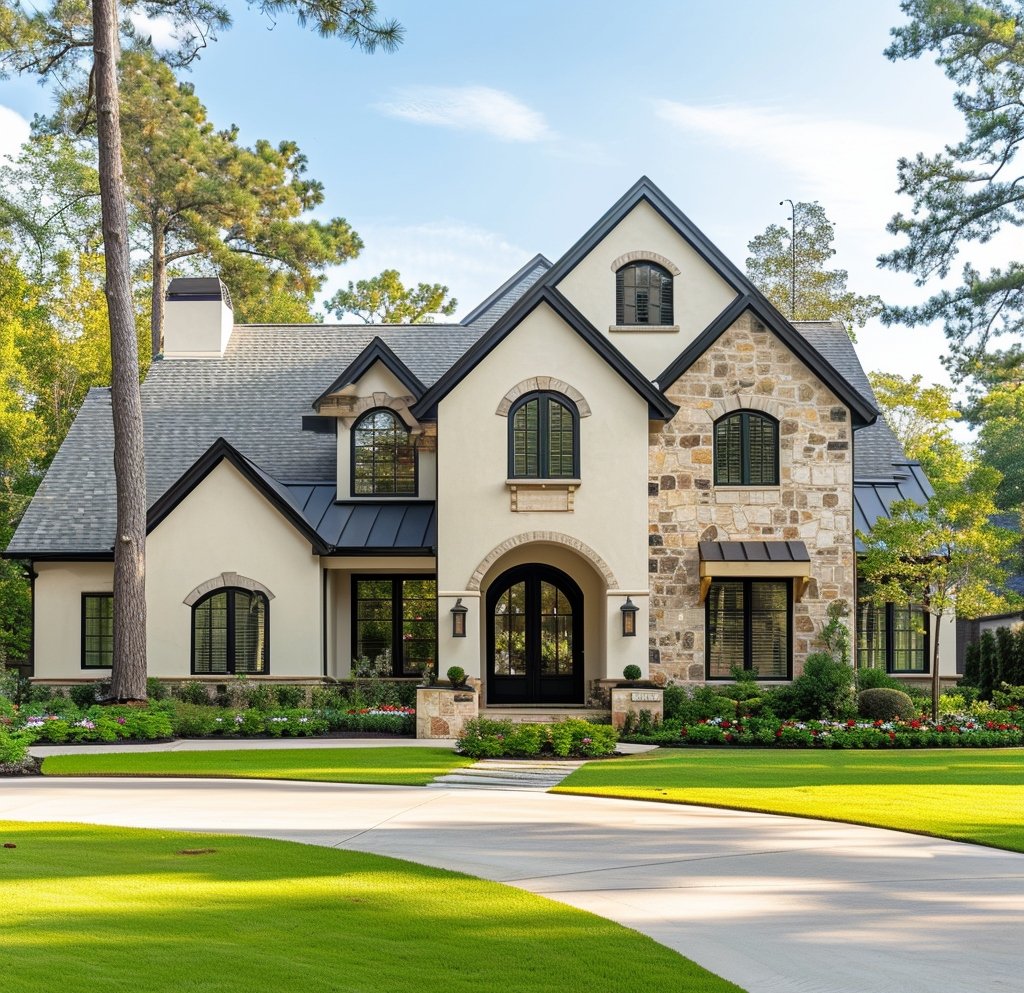
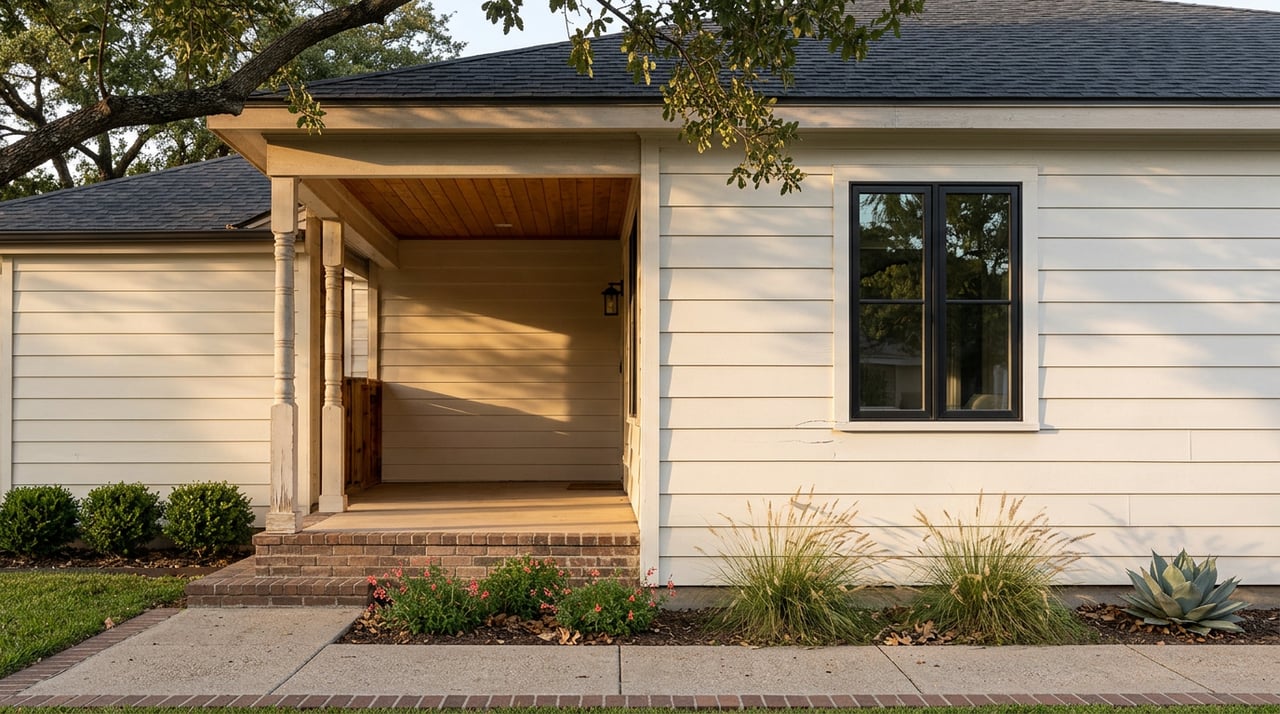
The 78704 housing stock splits into two camps that rarely compete for the same buyer. Original bungalows from the 1920s through the 1950s sit on lots typically between 5,000 and 7,000 square feet in Bouldin Creek and Travis Heights, and they sell fast, but buyers should plan for renovation costs on top of the purchase price. The alternative is new construction on the same footprint: vacant, cleared lots in these pockets have sold for $500,000 or more on their own, and the finished infill homes that replace older houses regularly list above $1 million, often built vertical with rooftop decks to make up for the small yards.
For buyers priced out of either option, condos along the South Lamar corridor start closer to $400,000, trading yard space for walkability.
The premium in 78704 was never really about square footage. It's a bet that a fixed supply of walkable land next to Barton Springs and the Barton Creek Greenbelt doesn't get less scarce, no matter what the median does in any given quarter.
That scarcity is also what the neighborhood is actually selling. From most of Bouldin Creek and Travis Heights, Zilker Park and Barton Springs Pool are a five-minute bike ride away. South Congress functions as the neighborhood's front porch, with Jo's Coffee, Perla's Seafood & Oyster Bar, and June's All Day anchoring the strip, while South First carries its own draw with Elizabeth Street Cafe and Bouldin Creek Cafe. Travis Heights adds Little Stacy Park, a 6.7-acre wooded park built around a historic 1929 wading pool, connected by the Blunn Creek Greenbelt to Big Stacy Park, and the Ann and Roy Butler Hike-and-Bike Trail along Lady Bird Lake is a short ride from either neighborhood.
The due diligence that actually matters here
A few things worth confirming before you write an offer on either side of this comparison, since they affect cost and timeline more than the median price does:
- School zoning varies block by block. Elementary assignments in this stretch of Austin ISD split between Becker, Zilker, Galindo, and Travis Heights elementary schools, feeding into Fulmore or Lively middle schools and then Crockett, Bowie, or Travis High School depending on the exact address. Confirm the assignment for a specific property directly with the district before you assume anything from the neighborhood name alone.
- Property taxes run in a defined range. Travis County taxing entities, including Austin ISD, the county, and the city, typically combine for an effective rate between 1.8 and 2.2 percent of appraised value, though the exact figure depends on the entities layered onto a specific parcel.
- Teardowns and additions in Travis Heights can trigger design review. The Historic Landmark Commission evaluates massing and street-facing changes in parts of the neighborhood, and Austin's tree preservation and impervious cover rules apply citywide, so a lot that looks buildable on paper may have real constraints once a builder walks it.
- Flood zone status is a property-level question, not a zip-code one. Portions of Bouldin Creek and Barton Creek corridors carry FEMA Zone AE designation while most blocks away from the creeks fall in Zone X. Ask for the specific flood determination on any property you're seriously considering.
A few questions worth asking before you compare zip codes
Does a falling median mean 78704 is getting cheaper to buy into? Not necessarily. The price-per-square-foot figure, which held roughly flat over the same period the median fell, is the better signal for what the underlying land and construction actually cost. A lower median can simply mean a different mix of properties changed hands this quarter.
Why do the numbers for 78745 disagree so much between sources? Because that zip code is exposed to new-construction pricing pressure from elsewhere in the metro in a way 78704 structurally isn't. Different data providers catch that pressure at different points, which is why you'll see estimates ranging from a modest single-digit decline to something much steeper depending on the source and the month it was pulled.
What should I actually be comparing, if not the median? Price per square foot, current days on market, and the specific product type behind the number, whether that's an original bungalow, a finished infill build, or a condo. Two houses a block apart can tell opposite stories if one is a 1940s original and the other is a 2026 teardown rebuild.
South Austin's zip codes don't move together, and the headline median rarely tells you why. If you're trying to figure out which side of this comparison actually fits your budget and the life you're building, that's a conversation worth having with someone who can pull the comps for your specific block, not just the zip average. Roxanne Escobedo works with buyers across Central Austin's zip-code lines every week, in English or Spanish, and can walk you through exactly what a given median or price-per-square-foot number is really telling you before you write an offer. Schedule a confidential consultation to start that conversation.